The Ghar Parau Foundation
A 100% voluntary-based charity providing grant-aid assistance for British caving expeditions to all corners of the world.
Photo: Sunbeams in Doline 1 Hang Son Doong, Vietnam. (Ryan Deboodt)
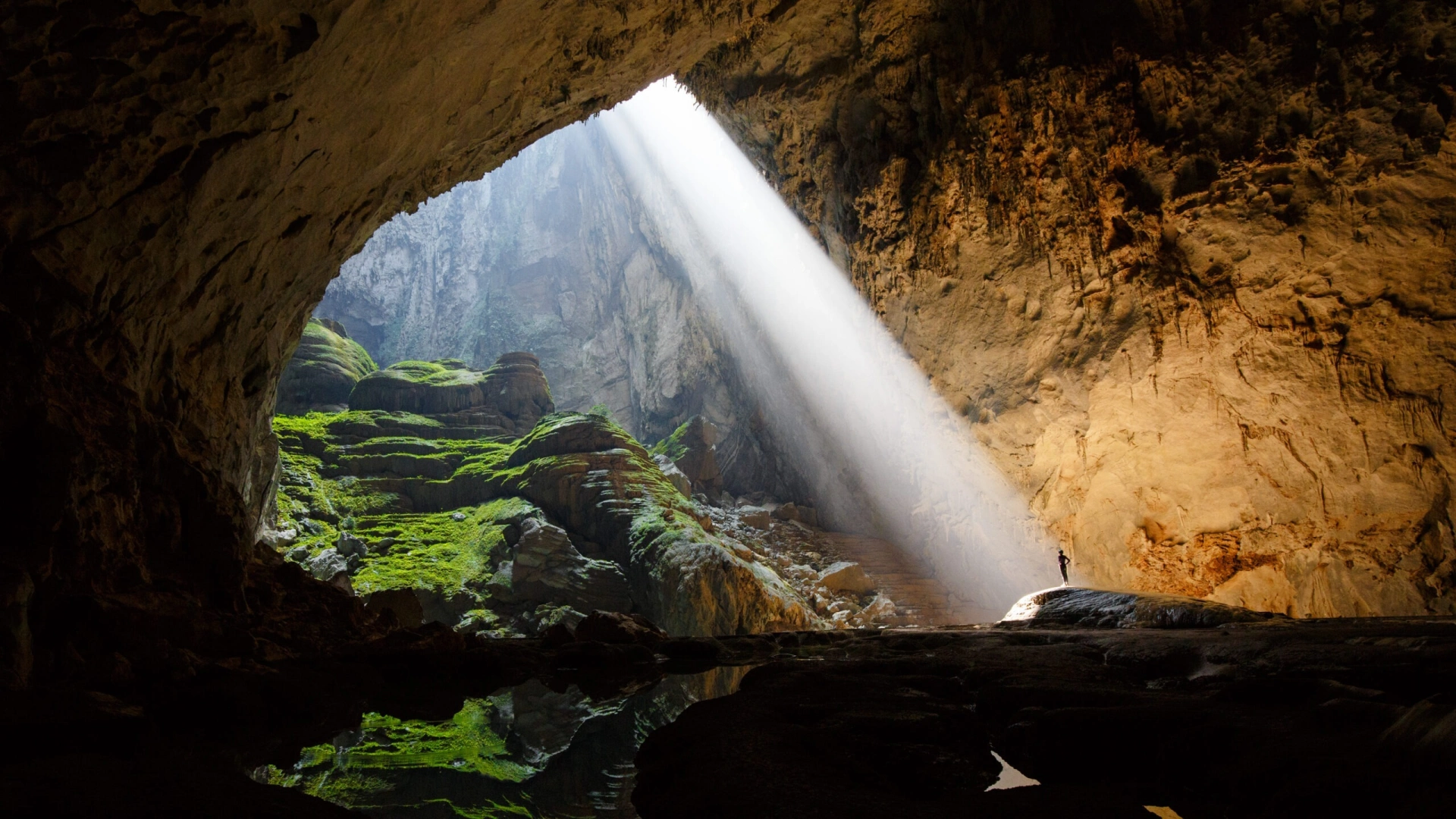
A 100% voluntary-based charity providing grant-aid assistance for British caving expeditions to all corners of the world.
Photo: Sunbeams in Doline 1 Hang Son Doong, Vietnam. (Ryan Deboodt)
The Ghar Parau Foundation is a 100% voluntary-based charity. Through the management of an investment fund, the GPF provides grant aid to British caving expeditions, in particular those that include an element of innovative exploration or scientific study.
Since 2007, the GPF has awarded £156,025 to 243 expeditions travelling to 48 different countries.
We are also particularly keen to encourage young cavers into expedition caving. Over the last 19 years, the GPF has additionally awarded 122 individual grants totalling £10,225 to cavers going on their first foreign expedition.
Photo: Alum Pot, Yorkshire Dales, UK (Mark Burkey)
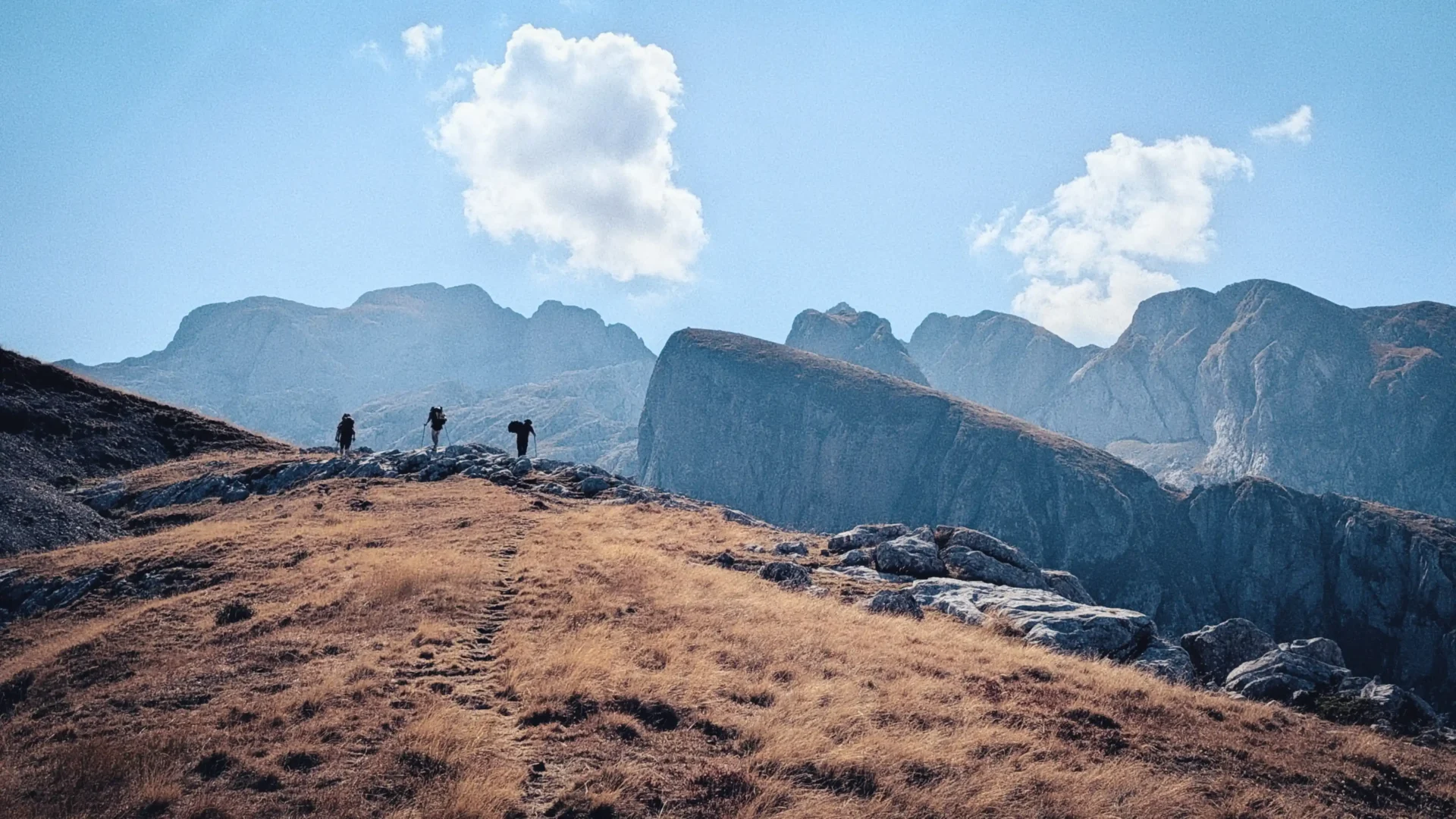
The Eldon Pothole Club returned to northern Albania to explore new caves in the high limestone mountains east of Lepushe. In six days, our 12-strong team logged 50 new caves with only half descended. We surveyed Eye of Sauron to 300m long and 130m deep, and pushed Eagle’s Nest beyond 200m depth, with further passage still going.
Report | Photo: Eldon team members heading up high into the karst, Albania (© Jon Pemberton)
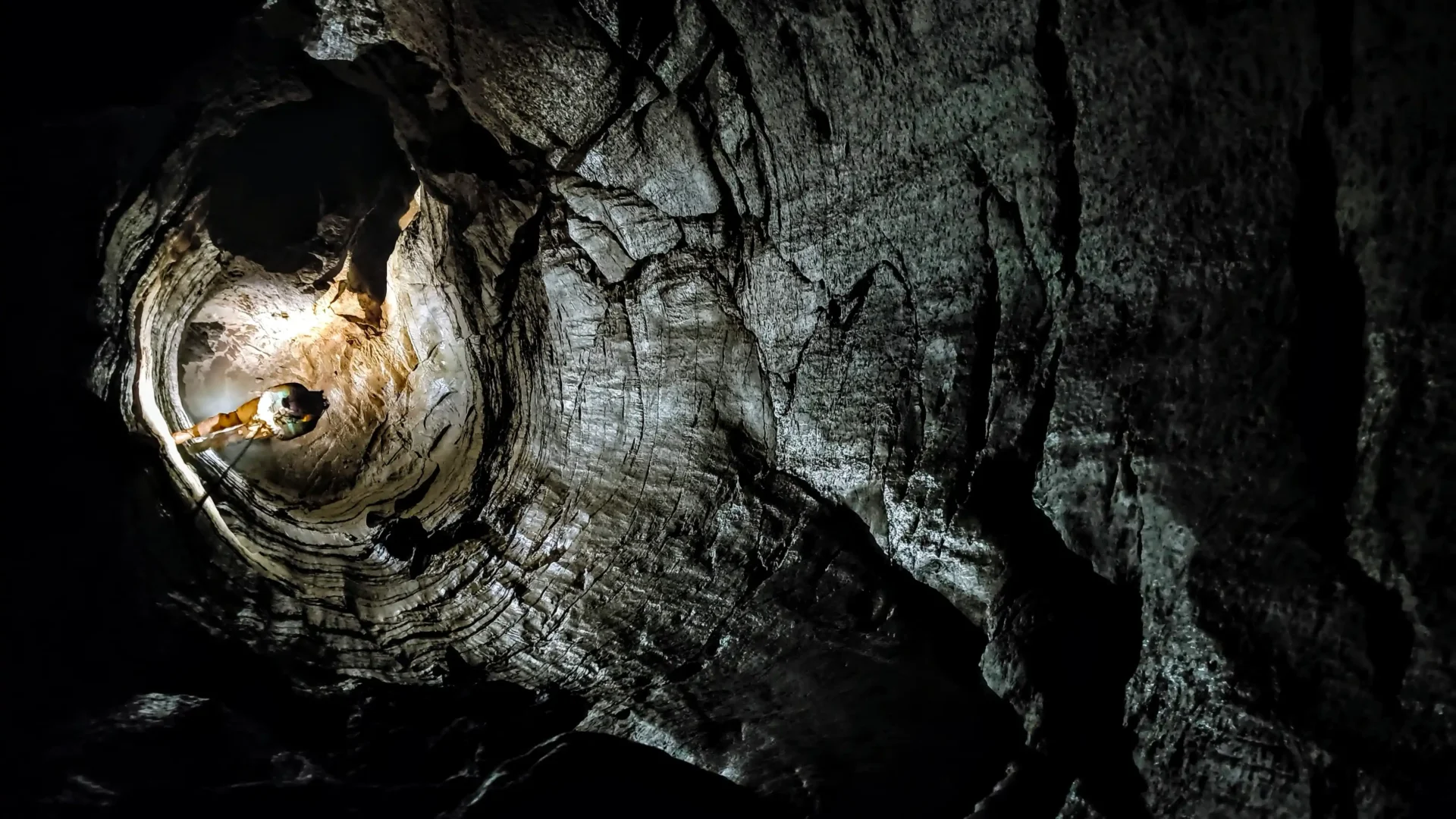
The 2026 expedition concentrated on the newly discovered stream in C29 Torca Brana Espina. Downstream has continued to be explored, pushing on for 800m towards the resurgence cave. Upstream has also been extended for over 1km via two inlets, one to a sump and the other into higher fossil passage. Over 6km of cave found across all objectives.
Report | Photo: Torca de la Riega Cericiega, Spain (© Julian Carter)
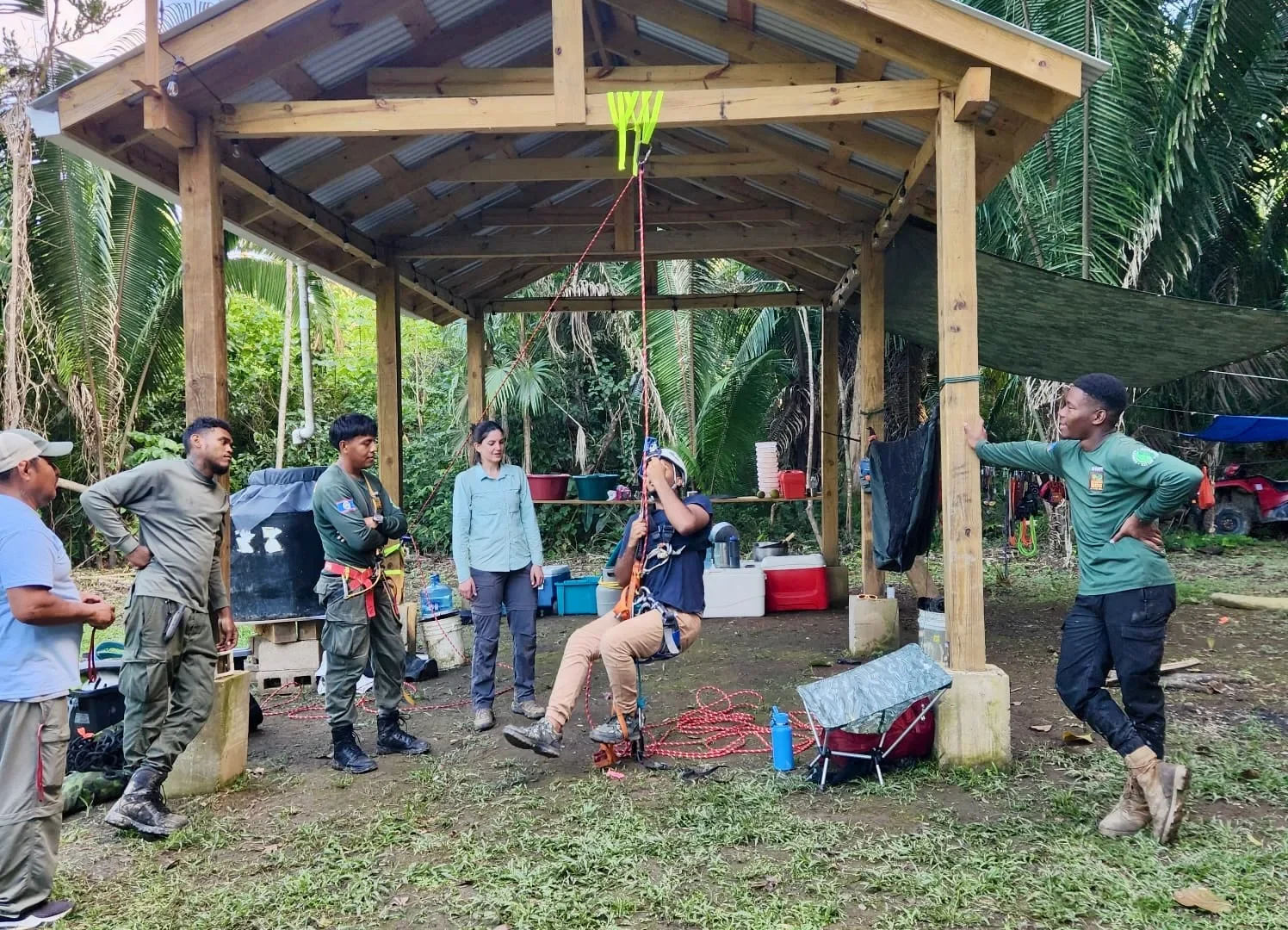
The primary objective was to collect charcoal and freshwater marine shell samples from cultural contexts throughout caves in Monkey Bay National Park in Belize. The secondary objective was to explore previously unexplored territory in the park. The third objective was to complete the first draft of a management plan. All objectives were met.
Report | Photo: Monkey Bay National Park, Belize (© Eli Miller)
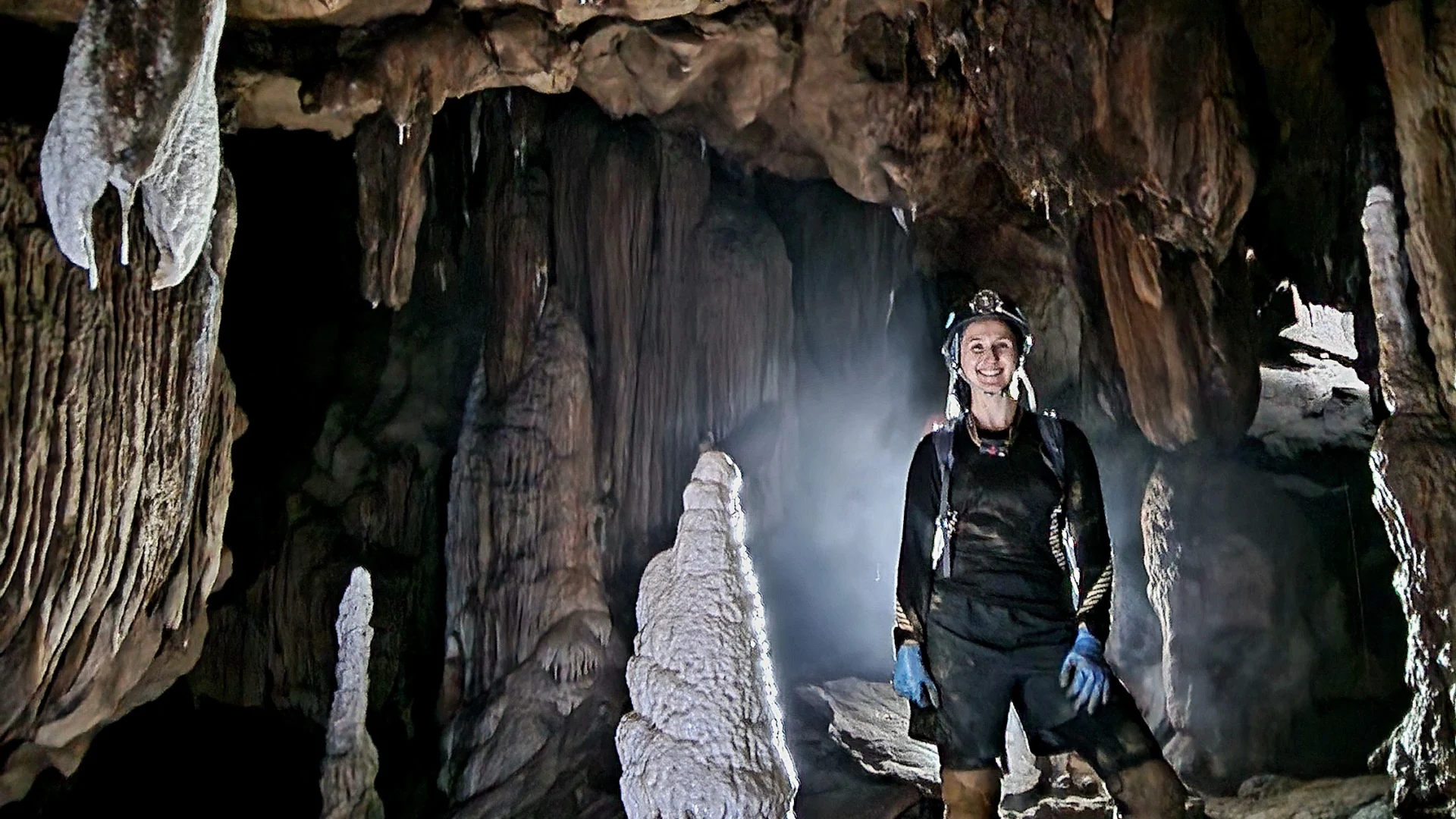
In February 2026, a multi-national team of 32 cavers visited Pang Ma Pha, Mae Hong Son province, north-west Thailand to investigate and survey several of the poorly documented cave systems, as well as hoping to find new caves and extend the known caves. Twenty eight caves were visited with 4,826m being mapped in 10 caves.
Report | Photo: Tham Long Yaow, Thailand (© Emma Porter)
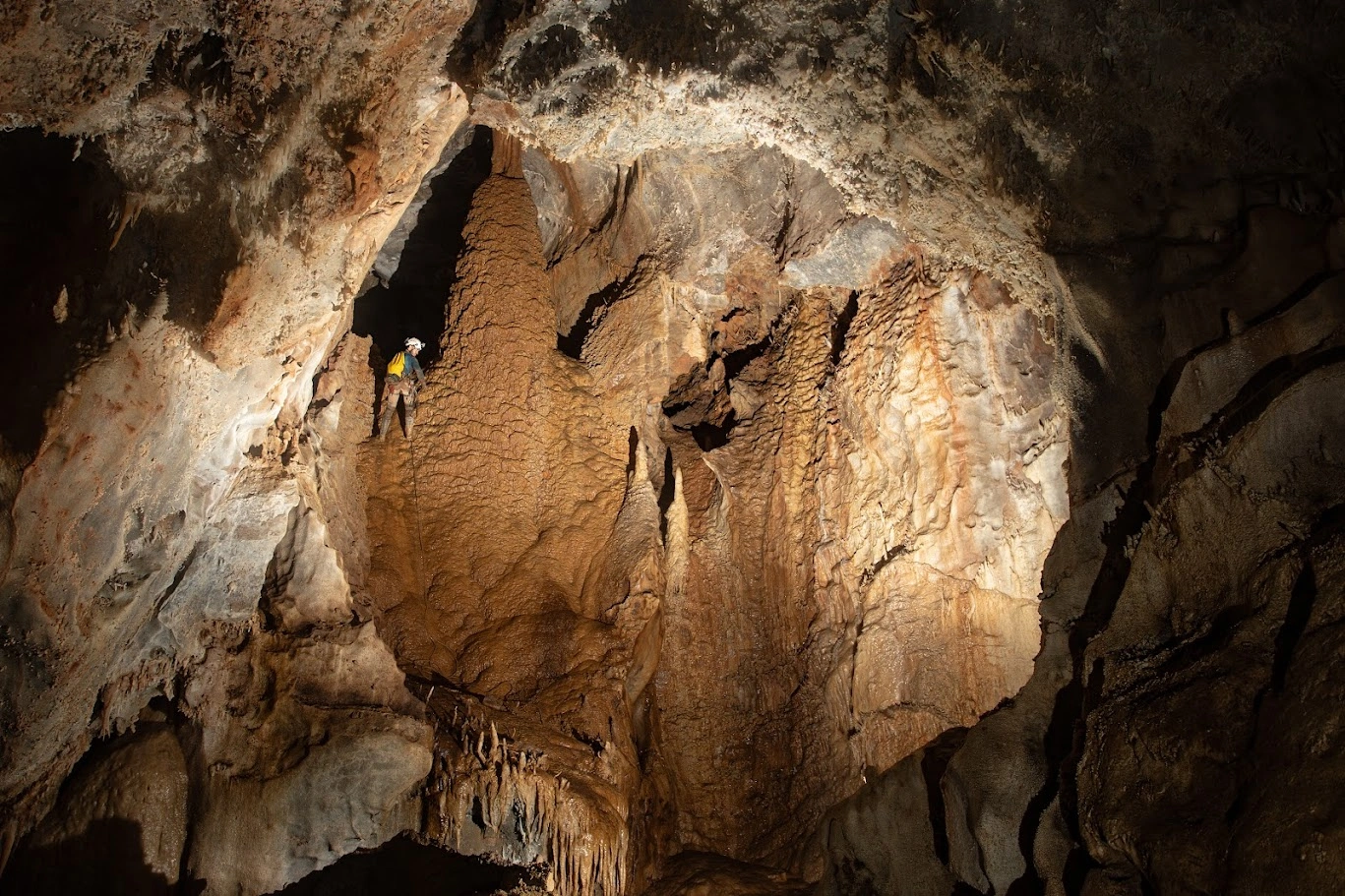
The expedition was focused on central clearwater in the ‘blank sq km’ with a camp in Armistice, deep into the system. 3km of virgin passage was discovered – most of this not in the blank sq, and 2km was in a single large (20 x 20m) trunk passage. This indicates a further level with many leads for further exploration.
Report | Photo: Northern end of ‘Reputation’, Mulu, Malaysia (© Kevin Liow)
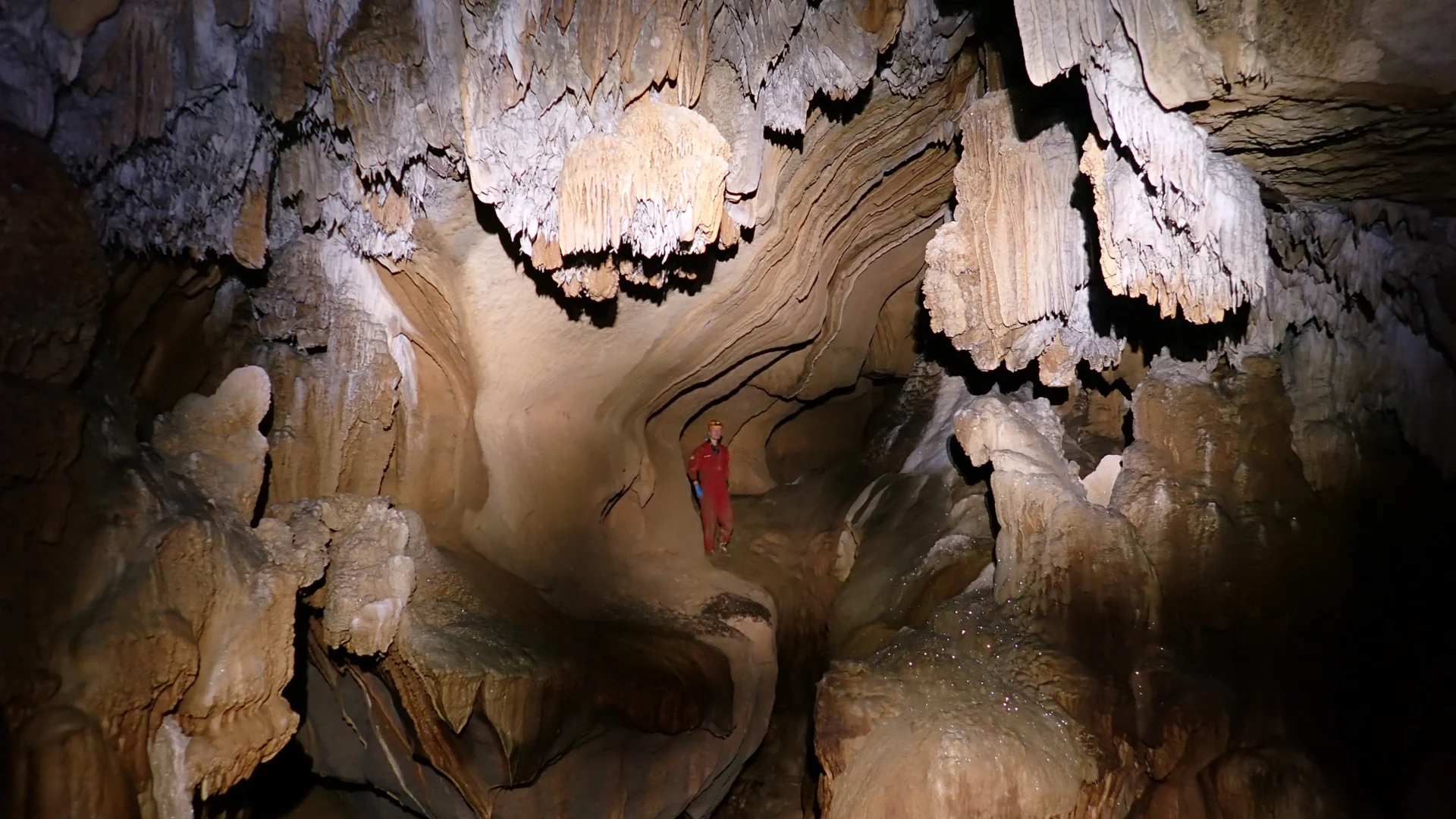
The main aim was to revisit and complete the survey of UmThloo and push the remaining 30 leads in the cave. We also found, explored and surveyed 6 more caves. UmThloo – 1402.5m (19.8km total) Krem Paralok Nongkhwai – 615.5m Krem Pala – 750m Krem Jan – 37m Krem Motab3 – 40m Krem Motab5 – 36m Roundabout Canyon – 65m. Total expedition length – 2946m.
Report | Um Thloo, India (© Fleur Loveridge)

The main aims of the SUSS expedition were to resurvey and push LOC81 (named Keramos 2). These were successful, resurveying past the limit of exploration from 2001 and rebolting down to -450m. We also assisted in getting a diver into a sump at -1,100m, and carried out much rebolting and resurveying in Gourgothakas and Liontari (the two deepest caves in Greece).
Report | Descending the main shaft (approx 300m) of LOC81 (Keramos 2), Greece (© Toby Ward )

Despite ambitious goals, the 2025 expedition succeeded in its objectives. 11 cavers were introduced to alpine expeditionary caving, our first ever hammock camp was established at -700m (proving very popular), deep leads in Primadona were pushed and ongoing, and we concluded by dining with the British Ambassador to Slovenia.
Report | Photo: ‘My Little Pitch’, Primadona, Slovenia (© Ben Richards)

After the very successful Expedition in 2024 this one was planned to continue work in the Chibe Valley based out of Emangre village. In total 93 caves were discovered with a total of 13.2 km of passage surveyed. In addition, an SRT training programme as well as a variety of related cave skills were taught to local guides.
Report | Photo: Gongdap Kol, South Garo Hills, India. Babiocetus fossil embedded in oolitic limestone c. 35-40 million years (© Gregory Warjri/Core Geo Expeditions)

The 2025 Ario expedition quickly achieved its first objective, the key connection between Tras La Jayada and the main stream in Cave of the Witch’s Eye. However, easy access to the main stream in the latter did not result in significant new finds. Several minor caves were also pushed, with small finds surveyed, before derigging.
Report | Photo: Viagra Falls in upstream Cave of the Witch’s Eye (© Bartek Biela)